Volunteers of America OHIN
703 Washington Street, Columbus
Payment options: Medicaid · Private plan
Holds CARF accreditation (reported to SAMHSA)
Kinds of treatment
DetoxLive-in rehabPHP, IOP & outpatient careMAT (medication)Dual diagnosis helpRehab for alcohol useRehab for drug usePrograms for certain groupsSober homes & transitional livingHow to cover rehab costsCities
SAMHSA data checked November 16, 2026
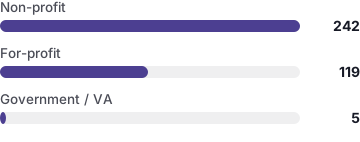
Being uninsured does not rule out treatment. Sliding fees and payment help can lower the cost. County, state or federal funds also pay for care. The SAMHSA list shows 372 programs here.
Before you call, grab the insurance card and ZIP code (yours or your family member's). It is a paid referral line. A partner answers, not any program listed here.

12 of 372 listings, SAMHSA FindTreatment.gov data from November 16, 2026. Programs with the most services come first, then the rest A–Z. Programs are listed at no cost to them; our paid referral line is funded by a partner. How the list is sorted.
Unsure what to do next? Call (219) 219-9872 It is a paid referral line. A partner answers, not any program listed here.
703 Washington Street, Columbus
Payment options: Medicaid · Private plan
Holds CARF accreditation (reported to SAMHSA)
1351 West Buena Vista Road, Evansville
Payment options: Medicaid · Private plan
Holds CARF accreditation (reported to SAMHSA)
3320 East State Boulevard, Fort Wayne
Payment options: Medicaid · Private plan
Holds Joint Commission accreditation (reported to SAMHSA)
3208 North Sherman Drive, Indianapolis
Payment options: Medicaid · Private plan
Holds Joint Commission accreditation (reported to SAMHSA)
101 Beverly Drive, Chesterton
Payment options: Medicaid · Medicare · Private plan
Holds Joint Commission accreditation (reported to SAMHSA)
809 High Street, Decatur
Payment options: Medicaid · Medicare · Private plan
Holds Joint Commission accreditation (reported to SAMHSA)
833 Park East Boulevard, Lafayette
Payment options: Medicaid · Medicare · Private plan
Holds Joint Commission accreditation (reported to SAMHSA)
4218 Western Avenue, South Bend
Payment options: Medicaid · Medicare · Private plan
Holds CARF accreditation (reported to SAMHSA)
1530 Commerce Park West Drive, Greensburg
Payment options: Medicaid · Medicare · Private plan
Holds CARF accreditation (reported to SAMHSA)
927 North Pennsylvania Street, Indianapolis
Payment options: Medicaid · Private plan
Holds CARF accreditation (reported to SAMHSA)
2507 Cumberland Drive, Valparaiso
Payment options: Medicaid · Medicare · Private plan
Holds CARF accreditation (reported to SAMHSA)
460 Spring Street, Jeffersonville
Payment options: Medicaid · Medicare · Private plan
Data: public agencies, never advertisers
372 programs in Indiana have at least one way to lower the cost: sliding fees at 198, public funding at 352, payment help at 220. Most cluster in Indianapolis (52), Fort Wayne (17) and Evansville (16). Source: SAMHSA locator (November 16, 2026)[1].
What to know
The Indiana Division of Mental Health and Addiction funds treatment for uninsured and underinsured Hoosiers, using state money and the federal SAMHSA block grant. Community Mental Health Centers certified by the state treat people with a substance use disorder who have no insurance or limited income, up to 200% of the federal poverty level. Certified Community Behavioral Health Clinics serve everyone regardless of insurance, and Recovery Works pays for treatment for low-income adults involved with the justice system. Dial 2-1-1 to be connected to treatment providers near you.
In Indiana, a sliding fee scale is used at 198 listed programs. 352 report county, state or federal funds that cover people unable to pay, and 220 offer help with paying. If a program draws on the federal Substance Use Block Grant, it must give pregnant women and people who inject drugs priority.
358 of them also accept Medicaid. If you are eligible, Medicaid coverage widens your choices. Get the price up front, then try that figure in the cost calculator; the self-check points you to the level of care to request.
What else do they take?
Check whether a program takes more than one kind of payment. Many do, and it helps if your coverage changes mid-treatment.
Cash works at 360 of the 372, and 198 set fees on a sliding scale.
It is free, confidential and open 24/7. It is a paid referral line. A partner answers, not any program listed here.
Which level of care 372 programs with low-cost options offer
Don't know which program to ask? Call (219) 219-9872 It is a paid referral line. A partner answers, not any program listed here.


372 programs with low-cost options, grouped by city
| City | Accepting | Programs in total | Share |
|---|---|---|---|
| Indianapolis | 52 | 68 | 76% |
| Fort Wayne | 17 | 22 | 77% |
| Evansville | 16 | 17 | 94% |
| Kokomo | 12 | 15 | 80% |
| Bloomington | 10 | 15 | 67% |
| Merrillville | 10 | 12 | 83% |
| Columbus | 9 | 9 | 100% |
| Terre Haute | 9 | 12 | 75% |
| Anderson | 8 | 9 | 89% |
| Jeffersonville | 8 | 12 | 67% |
| Marion | 8 | 8 | 100% |
| Richmond | 8 | 10 | 80% |
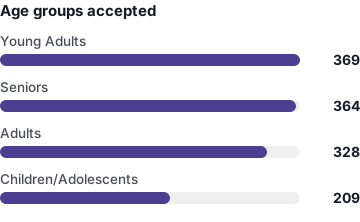
372 listings, counted by who they serve:
Seen most often here: Young Adults at 369 of 372; Seniors at 364 of 372; Adults at 328 of 372.
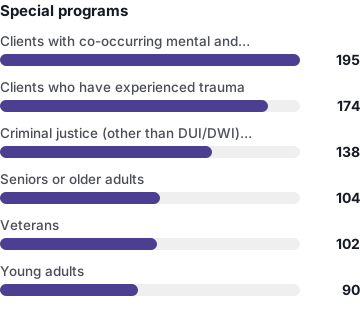
Seen most often here: Dual diagnosis: mental health plus substance use at 195 of 372; Clients who have experienced trauma at 174 of 372; Justice-involved clients (excluding DUI/DWI) at 138 of 372.
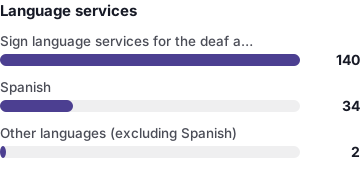
Seen most often here: Sign language services for deaf or hard-of-hearing people at 140 of 372; Spanish at 34 of 372; Other languages (excluding Spanish) at 2 of 372.
Programs list where they provide care and what support they give once you are discharged.
Seen most often here: Outpatient at 336 of 372; Regular outpatient treatment at 188 of 372; Outpatient medication: methadone, buprenorphine or naltrexone at 109 of 372.

Seen most often here: Mentoring/peer support at 235 of 372; Housing services at 223 of 372; Assistance with obtaining social services at 195 of 372.

Seen most often here: Buprenorphine used in Treatment at 146 of 372; Naltrexone used in Treatment at 125 of 372; Methadone used in Treatment at 13 of 372.

Seen most often here: Cognitive behavioral therapy at 344 of 372; Telemedicine/telehealth therapy at 318 of 372; Substance use disorder counseling at 220 of 372.

Unsure what to do next?
Call around. Find out where sliding fees or public funding are offered, and how to apply.
It is a paid referral line. A partner answers, not any program listed here.
How we measured: from the center of every county in Indiana (92 in all), we took the crow-flies distance to the closest program on our list with low-cost options. The median county sits 2.5 miles from one. For 0 counties, the trip is longer than 30 miles.
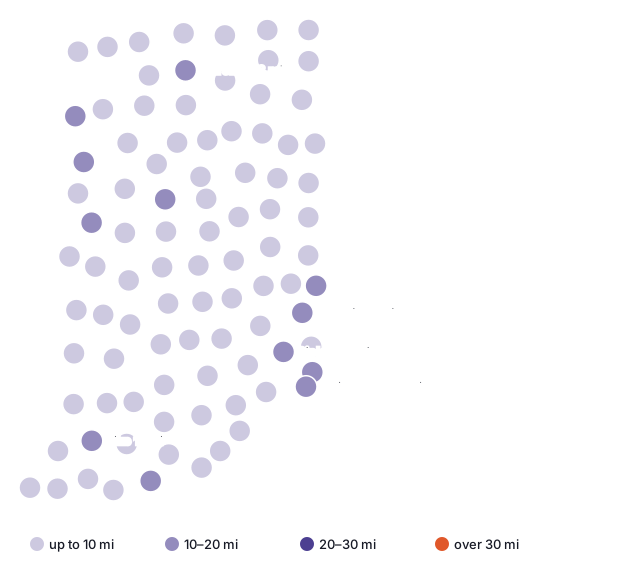
| County | Miles to closest |
|---|---|
| Ripley County | 19.9 |
| Switzerland County | 18.9 |
| Marshall County | 18.1 |
| Franklin County | 17.4 |
| Pike County | 17.1 |
| Clinton County | 16.9 |
| Newton County | 13.4 |
| Benton County | 13.3 |
Facility counts: SAMHSA snapshot of November 16, 2026.
Reviewed on November 16, 2026 by the Indiana Rehab editors, using the sources above. How we put this together.
Questions on care without insurance
In Indiana, SAMHSA's locator includes 372 of the 454 facilities (November 16, 2026). 71 have residential care and 40 have detox. 164 offer opioid use disorder medication and 336 outpatient care. Teens are accepted at 209 of the 372, and 34 work in Spanish. To learn which of the 372 has a spot open, ask a program, or reach the referral line (paid line; a partner picks up).
Your income and household size set the price.
Bring proof of income, for example a pay stub or a tax return, and the program works out your fee. In Indiana, 198 programs base the fee on income, and 220 offer help with payment. Ask each one which income papers to bring, or reach the referral line (paid line; a partner picks up).
Federal Substance Use Block Grant programs have to take pregnant women and people who inject drugs ahead of others.
Everyone else is usually admitted in order, so there may be a wait list. 352 of the 372 get public funding. 358 also take Medicaid, so a Medicaid application can widen your options.
Indianapolis has the most at 52; next are Fort Wayne (17), Evansville (16) and Kokomo (12).
In Indianapolis that comes to 76% of the 68 listed programs. All told, programs with low-cost options show up in 117 Indiana cities. Check the table on this page for the top cities and each one's share of programs.
Of the 372, 358 take Medicaid, 351 take private insurance, 308 take Medicare, 276 take TRICARE, 360 take cash and 198 use a sliding fee scale. More on this: Medicaid, private insurance, Medicare, TRICARE, or figure out your share in the cost calculator.
Ask the programs listed here which plans they work with. You can also call the referral line.
It is a paid referral line. A partner answers, not any program listed here.
How to cover rehab costs